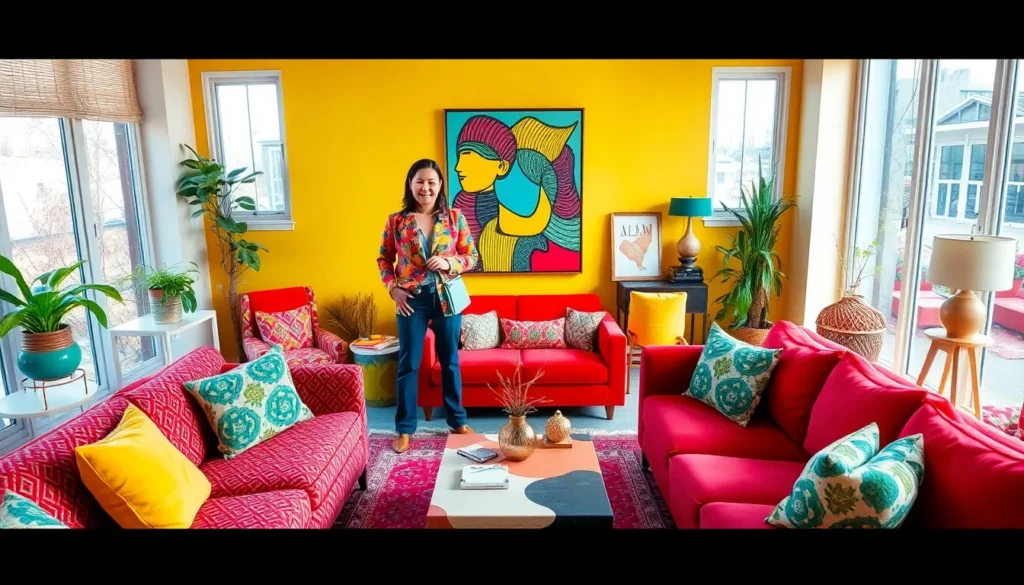
Imagine stepping into a space that feels like a burst of joy, where every corner sings with color and personality. Colorful concepts in interior design aren’t just about slapping on a coat of paint; they’re about creating an experience that tickles the senses and sparks creativity. Gone are the days of dull, beige rooms that make you feel like you’re living in a cardboard box.
Overview of Colorful Concepts Interior Design
Colorful concepts in interior design transform spaces into vibrant environments that evoke joy. Designers embrace bold hues, patterns, and textures to create dynamic atmospheres. The integration of eclectic elements encourages personality and creativity, resisting the urge to favor neutral tones.
The choice of colors influences mood and perception. Warm colors like reds and oranges stimulate energy, while cool tones like blues and greens promote calm. Combining these colors effectively can lead to aesthetic harmony in a room. Texture also plays a crucial role by adding depth and interest, with fabrics and materials enhancing the sensory experience.
Focal points in colorful design provide visual anchors. Artwork, statement pieces, or unique furniture can serve as conversation starters while defining the space. Balance is essential; pairing striking colors with complementary shades maintains cohesion, ensuring no single element overwhelms others.
Lighting is another key factor in achieving the desired effect. Natural light enhances colors, while artificial lighting can shift perceptions, creating cozy or vibrant environments depending on the bulbs’ warmth. Furthermore, integrating various light sources allows for flexibility and adaptability throughout the day.
Purpose shapes the use of color within spaces. In lively areas such as kitchens or playrooms, bright, cheerful hues enhance engagement. In contrast, soothing colors benefit relaxation zones like bedrooms or reading nooks. Prioritizing functionality contributes to purposeful, inviting designs.
Community trends indicate a growing appreciation for personalized spaces. As people seek to express individuality through their homes, colorful concepts resonate with many. The resurgence of bold colors creates an opportunity for designers to innovate continuously and redefine traditional design boundaries.
Key Features of Colorful Concepts
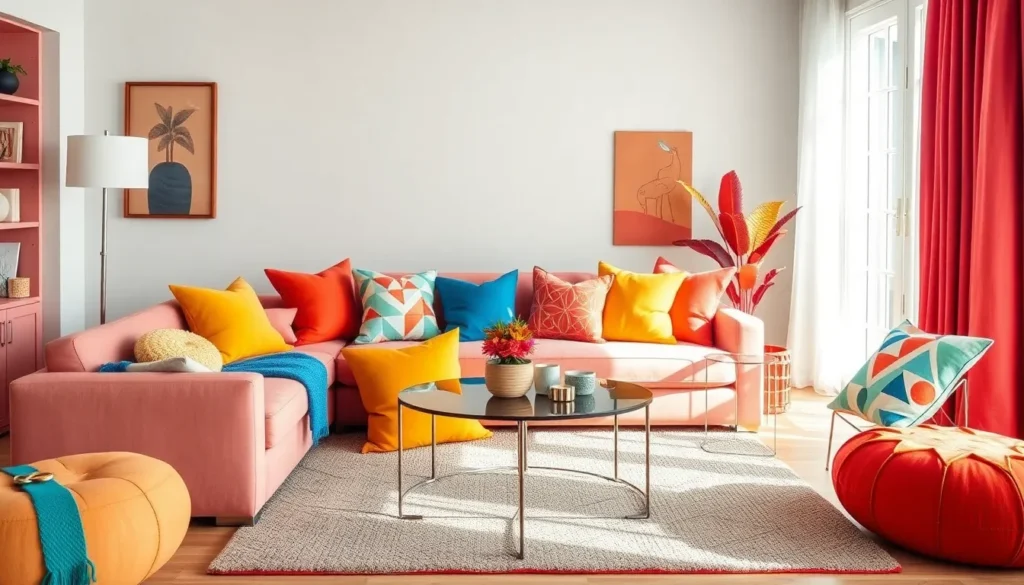
Vibrant interior design embraces distinctive elements that evoke energy and personality throughout spaces. Understanding these features enhances the impact of colorful interiors.
Vibrant Color Palettes
Color palettes serve as the foundation of vibrant interior designs. Designers often combine bold and muted shades to create visual interest. Warm hues such as red and yellow stimulate energy, while cool colors like blue and green promote tranquility. Harmonizing contrasting colors adds depth and excitement to a room. Selecting three to five colors ensures a cohesive look, guiding choices across furnishings and décor. Unique combinations, such as teal and coral, encourage creativity and individuality in space. Various applications of these palettes can significantly influence the overall atmosphere in residential and commercial areas.
Unique Patterns and Textures
Incorporating patterns and textures enhances the colorful concepts of interior design. Striking geometric shapes capture attention, while softer motifs offer balance. Textures, such as plush fabrics or sleek surfaces, add tactile appeal. Mixing patterns, like floral with stripes, stimulates visual curiosity without overwhelming the senses. Layering different textures, such as wood, metal, and fabric, adds depth to spaces, creating an inviting environment. Utilizing area rugs, throw pillows, and wall art provides opportunities for playful experimentation. These elements work together to create a distinctive sensory experience, ultimately transforming spaces into engaging havens.
Benefits of Colorful Concepts Interior Design
Colorful concepts in interior design offer numerous advantages that enhance living spaces. These benefits cater to both aesthetics and emotional well-being.
Enhancing Mood and Emotions
Color choices significantly impact mood and emotions. Bright shades, such as yellows and oranges, energize and uplift spirits. Softer tones, including blues and greens, promote tranquility and relaxation. Designers carefully select hues to match specific areas, fostering an environment that aligns with the intended purpose. Art and accessories in vivid colors can evoke joy and stimulate creativity as well. Research shows that a well-thought-out color scheme influences feelings and behaviors, making spaces more vibrant and inviting.
Creating a Welcoming Environment
A colorful interior design creates a sense of warmth and welcome. Vivid color palettes draw attention and invite engagement from guests. Using a mix of cheerful colors in shared spaces makes environments feel more approachable. Contrast between different shades can break monotony, generating interest and intrigue. Textures also enhance this welcoming ambiance by providing tactile engagement, especially when combined with lively hues. In homes and workplaces, the right colors transform areas into friendly, dynamic spaces that encourage positive interactions.
Popular Techniques in Colorful Concepts
Colorful concepts in interior design employ various techniques to enhance spaces. These methods engage the senses, making environments more inviting and vibrant.
Accent Walls and Statement Pieces
Accent walls serve as focal points, breaking the monotony of a room. Designers frequently choose one wall to paint in a bold hue, creating a striking contrast with surrounding spaces. Statement pieces, such as oversized artworks or unique furniture, further elevate the design. These elements grab attention and add personality to interiors, with color amplifying their impact. A well-placed accent wall combined with thoughtfully selected statement pieces enriches the overall ambiance. Colorful decor inspires creativity and makes spaces feel alive.
Layering Colors and Materials
Layering colors and materials introduces depth and richness to interior spaces. By mixing various shades, designers create harmonious and visually engaging environments. Combining textures, such as soft fabrics with smooth surfaces, enhances tactile appeal. This technique allows designers to balance vibrant colors alongside more subdued tones, producing a dynamic aesthetic. Through successful layering, rooms exude a sense of warmth and comfort. The thoughtful integration of different elements fosters inviting atmospheres that resonate with individual styles.
Embracing colorful concepts in interior design opens the door to a world of creativity and individuality. By moving beyond bland palettes, designers can craft spaces that resonate with joy and energy. The thoughtful use of color, texture, and patterns not only enhances aesthetics but also significantly influences emotional well-being.
As people seek to personalize their environments, the trend toward vibrant designs continues to grow. Each choice in color and texture serves a purpose, transforming ordinary spaces into dynamic havens. Ultimately, colorful concepts invite exploration and innovation, making every room a unique expression of personality and style.