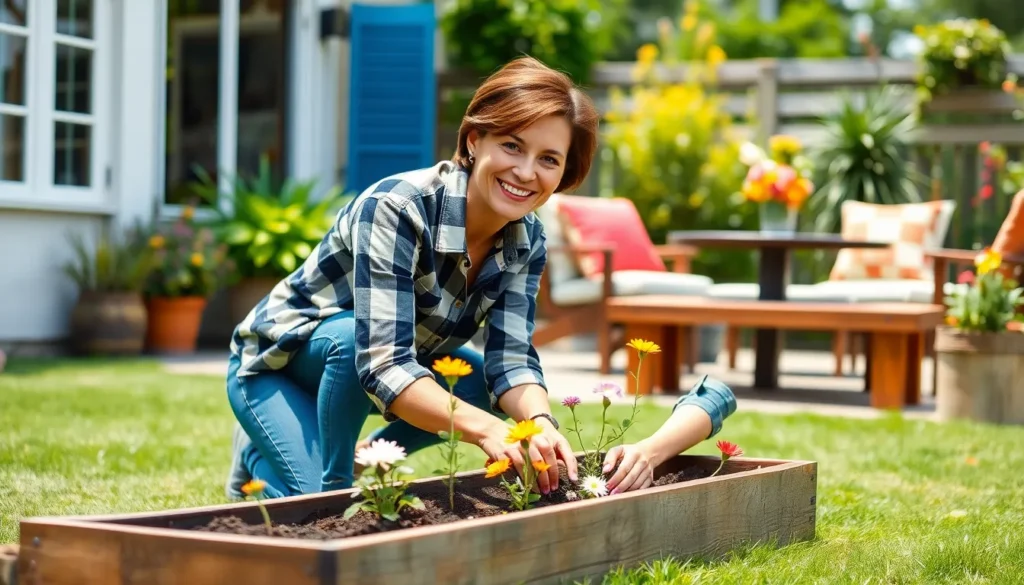
Embracing the great outdoors can transform any space into a personal sanctuary. Outdoor DIY projects not only enhance the beauty of gardens and patios but also provide a sense of accomplishment and creativity. From crafting cozy seating areas to building functional garden beds, the possibilities are endless for those ready to roll up their sleeves.
With the right tools and a splash of imagination, anyone can turn their backyard into a vibrant retreat. Whether it’s a weekend project or a summer-long endeavor, outdoor DIY activities invite individuals to connect with nature while expressing their unique style. Dive into the world of outdoor DIY and discover how to elevate your outdoor living experience.
What Is Outdoor DIY?
Outdoor DIY encompasses a range of do-it-yourself projects designed specifically for outdoor spaces. These projects can enhance aesthetics, increase functionality, or create unique outdoor living areas. Common outdoor DIY activities include building garden beds, crafting seating areas, creating pathways, and installing decorative elements.
Outdoor DIY allows individuals to personalize their spaces according to preferences and style. Transforming a yard or patio into a personalized oasis often involves choosing materials like wood, stone, or metal, reflecting one’s taste. These projects encourage creativity, enabling outdoor spaces to become extensions of indoor living.
Outdoor DIY projects suit various skill levels. Beginners can opt for simple tasks, such as planting flowers or assembling ready-to-build furniture. More experienced DIY enthusiasts might tackle complex installations, including pergolas or outdoor kitchens. The scope of outdoor DIY is broad, accommodating diverse interests and abilities, making it a rewarding outlet for everyone.
Benefits of Outdoor DIY
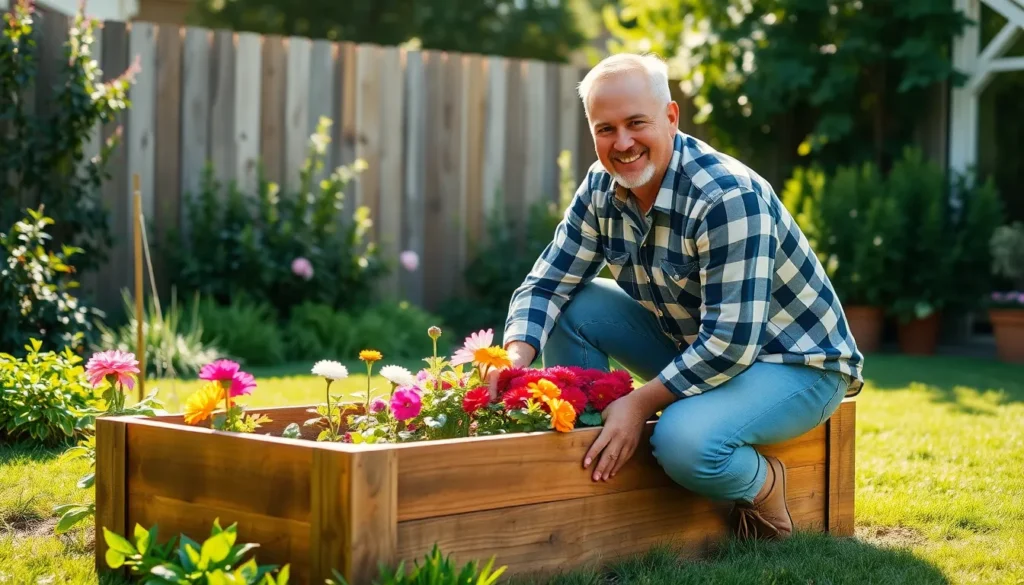
Outdoor DIY projects offer numerous benefits, enhancing spaces and promoting sustainable practices. Engaging in these activities fosters creativity and personal expression while improving outdoor living environments.
Enhancing Outdoor Spaces
Outdoor DIY projects enhance aesthetic appeal and provide functionality. Crafting personalized garden beds, building cozy seating areas, and installing decorative elements transforms ordinary yards into inviting retreats. These transformations allow individuals to customize their spaces based on personal style, creating unique environments that reflect their vision. The satisfaction of completing outdoor projects often leads to increased home value as these improvements bring visual charm and practical utility.
Promoting Sustainability
Outdoor DIY promotes sustainability by encouraging the use of eco-friendly materials and practices. Choosing reclaimed wood for projects reduces waste and energy consumption associated with new materials. Implementing rain gardens or compost bins supports local ecosystems and minimizes environmental impact. By opting for these sustainable approaches, DIY enthusiasts contribute to a healthier planet while creating functional and beautiful outdoor areas.
Popular Outdoor DIY Projects
Outdoor DIY projects range from gardening tasks to creating functional furniture. Each project type enhances outdoor spaces while allowing creativity and personal expression.
Gardening and Landscaping
Gardening and landscaping encompass a variety of tasks that can significantly improve outdoor aesthetics. Creating raised garden beds boosts both accessibility and productivity. Installing a butterfly garden attracts pollinators, enhancing biodiversity. Implementing xeriscaping saves water while providing a low-maintenance solution. Planting perennial flowers ensures year-round beauty with minimal upkeep. Rocks, mulch, and decorative stones can define pathways and garden borders, adding structure to green spaces.
Furniture and Decor
Building outdoor furniture provides functionality and comfort. Crafting a picnic table or benches can create gathering areas for family and friends. Designing a cozy hammock setup allows relaxation under the sun or stars. DIY decor options, such as painted planters or decorative trellises, add personality to gardens and patios. Reusing materials for unique garden art produces eye-catching focal points. Sustainable choices, like using reclaimed wood, support eco-friendly practices while enhancing outdoor style.
Outdoor Lighting Solutions
Outdoor lighting enhances safety and ambiance. Installing solar-powered path lights allows energy-efficient illumination for walkways. String lights create a warm atmosphere for evening gatherings. Building DIY lanterns from jars can provide soft, enchanting light for cozy spots. Spotlights highlight landscaping features and enhance nighttime appeal. Incorporating motion-sensor lights increases security around entrances, making outdoor spaces functional after dark.
Essential Tools and Materials
Outdoor DIY projects rely on specific tools and materials for successful execution. Each type serves a unique purpose in transforming outdoor spaces.
Basic Tools
- Hammer: A hammer drives nails into wood and adjusts small elements.
- Screwdriver: A screwdriver tightens or loosens screws for structural stability.
- Saw: A saw cuts wood or other materials to required dimensions.
- Measuring Tape: A measuring tape ensures accurate measurements for various components.
- Level: A level checks that surfaces are even, preventing structuring issues.
Power Tools
- Drill: A drill creates holes for screws and anchors, providing sturdy connections.
- Circular Saw: A circular saw cuts large pieces of wood efficiently and accurately.
- Miter Saw: A miter saw offers precise angled cuts for framing and molding.
- Jigsaw: A jigsaw handles intricate cuts in various materials for creative designs.
Safety Gear
- Safety Glasses: Safety glasses protect eyes from debris during cutting and drilling.
- Gloves: Gloves safeguard hands from splinters, sharp edges, and chemicals.
- Dust Mask: A dust mask prevents inhalation of dust when sanding or cutting materials.
Essential Materials
- Wood: Wood, such as pine or cedar, serves as a primary material for structures.
- Concrete: Concrete provides a durable base for patios and garden features.
- Nails and Screws: Nails and screws fasten materials securely for long-lasting constructions.
- Paint or Stain: Paint or stain enhances the appearance and protects wood from weathering.
Optional Materials
- Outdoor Fabric: Outdoor fabric, like canvas or polyester, creates comfortable seating or shade.
- Pavers: Pavers form walkways and patios, adding visual appeal and functionality.
- Planters: Planters support various plants, adding greenery and decor to outdoor spaces.
Understanding and preparing these essential tools and materials simplifies the outdoor DIY project process. Each component plays a pivotal role, ensuring structure, safety, and aesthetic enhancement.
Safety Tips for Outdoor DIY
Wear Appropriate Safety Gear
Wearing suitable safety gear protects against various hazards. Safety glasses guard against flying debris. Gloves shield hands from splinters and cuts. Dust masks prevent inhalation of harmful particles.
Ensure Proper Tool Maintenance
Ensuring tools are well-maintained prevents accidents. Regularly inspect power tools for frayed cords and sharp blades. Clean and store tools properly after use to minimize risks.
Work in Safe Conditions
Working in safe conditions reduces the likelihood of injuries. Choose a flat, dry area for projects to prevent slips and falls. Avoid working in extreme weather conditions, such as rain or high winds, which can create dangerous situations.
Follow Instruction Manuals
Following instruction manuals helps prevent mistakes and injuries. Familiarize oneself with tools before use, understanding each tool’s function and safety features. Adhering to guidelines ensures proper and safe execution of projects.
Use Ladders Safely
Using ladders safely is crucial for elevated work. Ensure ladders are stable and on even ground. Maintain three points of contact while climbing and avoid overreaching, which can lead to falls.
Practice Fire Safety
Practicing fire safety reduces risks during outdoor projects. Keep a fire extinguisher nearby when working with flammable materials. Avoid using power tools near dry grass or debris that could ignite easily.
Be Mindful of Surroundings
Being mindful of surroundings helps prevent accidents. Watch out for overhead power lines when working with long tools or ladders. Ensure pets and children stay at a safe distance from work areas.
Stay Hydrated and Take Breaks
Staying hydrated and taking breaks promotes personal well-being. Drink water regularly, especially on hot days, to prevent exhaustion. Breaks provide opportunities to assess progress and adjust plans as needed.
Outdoor DIY projects offer an incredible opportunity to enhance personal spaces while fostering creativity and sustainability. By engaging in these activities, individuals not only beautify their surroundings but also experience a profound sense of achievement. Whether someone is a beginner or a seasoned enthusiast, there’s always a project that can suit their skill level and vision.
Embracing outdoor DIY means transforming ordinary areas into extraordinary retreats. With the right tools and materials, anyone can create unique features that reflect their personal style. As they embark on these projects, they contribute to a healthier environment and enjoy the lasting benefits of their hard work. It’s time to step outside and make those outdoor dreams a reality.