In the digital world, first impressions matter more than ever. A website’s design can either charm visitors or send them running for the virtual hills. With the right site design concepts, businesses can create a captivating online presence that keeps users engaged and coming back for more. Think of it as dressing up for a big date—your website needs to look sharp to make a lasting impression.
Understanding Site Design Concepts
Effective site design plays a crucial role in attracting and retaining online users. As visitors navigate a website, its layout, aesthetics, and functionality significantly impact their experience.
Importance of Site Design
Site design influences user engagement and retention. A well-structured site encourages visitors to explore more content, increasing the likelihood of conversions. Users often form opinions about a brand within moments of arriving on a site. Consistency in design fosters trust, making visitors more comfortable and likely to return. An intuitive interface enhances navigation, allowing users to find information quickly.
Key Principles of Site Design
Design simplicity remains essential in creating websites. A clean layout improves usability, enabling visitors to focus on content without distractions. Responsiveness ensures that the site functions seamlessly across devices, accommodating different screen sizes. Effective use of color promotes brand identity and guides user actions. Clear typography enhances readability and helps convey information more efficiently. Incorporating white space maintains visual balance and prevents overwhelming users with too much content.
Types of Site Design Concepts
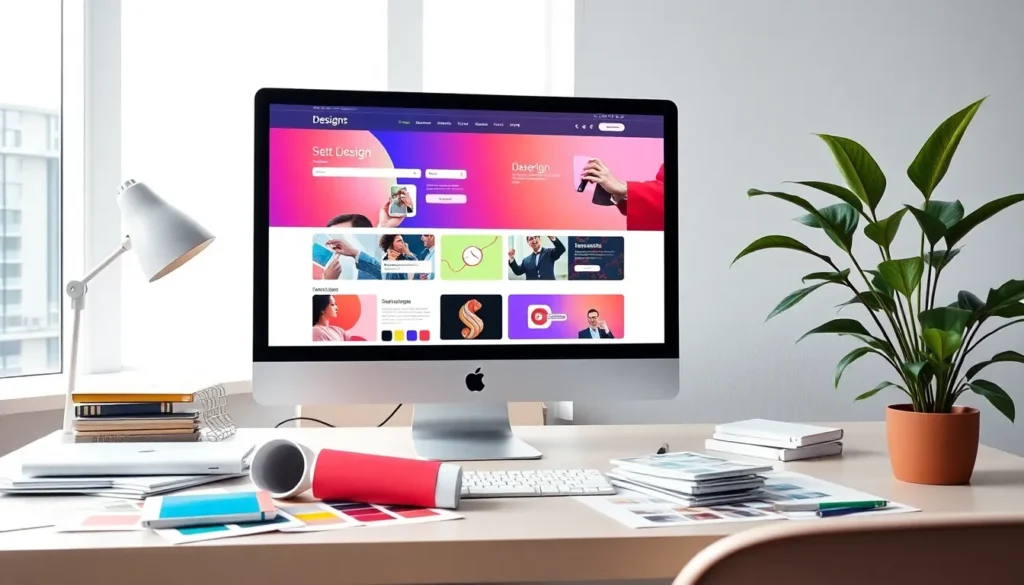
Site design concepts can significantly influence user engagement and experience. Understanding various approaches helps in selecting the most suitable design for a specific audience.
Traditional Site Design
Traditional site design emphasizes a structured layout with a focus on usability. This approach typically features clear navigation menus and static pages, which guide users through the content efficiently. Designers often incorporate established design principles, ensuring familiarity that aids user interaction. Fonts in traditional sites lean towards classic styles, keeping readability at the forefront. Color palettes often include neutral tones, promoting a professional aesthetic. Users benefit from stability and simplicity, leading to a comfortable browsing experience.
Modern Site Design
Modern site design embraces dynamic visuals and interactive elements. Trends such as asymmetrical layouts and bold typography create a sense of uniqueness. This approach often prioritizes mobile responsiveness, ensuring functionality across various devices. Designers rely on vibrant colors and high-quality imagery to capture attention. Navigation tends to be streamlined, enhancing user experience by offering quick access to critical content. Minimalistic design helps in focusing user attention on essential areas, driving conversions through engaging aesthetics.
Implementing Effective Site Design Concepts
Effective site design enhances user engagement and fosters a lasting connection with visitors. Prioritizing key design concepts can significantly improve overall performance.
User Experience Considerations
User experience remains central in site design. A streamlined layout promotes ease of navigation, allowing users to find information effortlessly. Responsive design guarantees compatibility with different devices, catering to various user preferences. Utilizing intuitive menus helps guide visitors without confusion. Attention to loading speed enhances satisfaction, as users favor quick access to content. Encouraging exploration through clear calls to action increases conversion rates. Consistent visual elements create a cohesive experience that reinforces brand recognition.
Accessibility in Site Design
Accessibility plays a vital role in effective site design. Implementing keyboard navigation options ensures inclusivity for users with disabilities. Screen reader compatibility helps those who rely on assistive technologies. Using high-contrast color schemes enhances readability for all users, especially those with visual impairments. Descriptive alt text for images provides context and improves comprehension. Clear labels for forms and buttons facilitate easier interaction, making the site user-friendly. Regular accessibility audits identify areas for improvement, ensuring ongoing compliance with best practices.
Trends in Site Design Concepts
Current trends in site design concepts emphasize creativity and functionality. These trends reflect user preferences and technological advancements that shape the online experience.
Minimalism and Simplicity
Minimalism continues to dominate with a focus on functionality and user-friendly design. Clean layouts streamline user navigation, reducing cognitive load. Designers favor ample white space, allowing key elements to stand out. Simple color schemes enhance brand identity and create a cohesive look. Typography becomes straightforward, ensuring readability across devices. Users appreciate the clarity and ease of finding information, leading to higher engagement levels. Overall, minimalism marries aesthetics with practicality, providing a seamless browsing experience.
Sustainable Design Practices
Sustainable design practices gain importance in today’s environmentally conscious world. Incorporating eco-friendly elements reduces the carbon footprint of digital platforms. Designers embrace energy-efficient hosting and optimized coding to enhance site performance. Energy-efficient images and videos minimize load times, benefiting users and the environment. Prioritizing accessibility also aligns with sustainability, ensuring that all users can access content regardless of diverse needs. As a result, brands adopting sustainable practices attract a growing base of environmentally aware consumers. Such strategies contribute to a stronger brand reputation and customer loyalty.